When you open Zhengdao’s global sanctions list database, you are checking which record sits in a named official file now—not finishing a transaction decision. A match means that file contains the record; it does not decide whether a deal may proceed, and it does not merge two authorities into one person. Search runs in your browser. This page is workbench literacy only, not legal advice.
When you use the sanctions hub vs China lists vs one-box screening
You open the sanctions hub when your question sits inside the foreign official-file mirror: UN, US, UK, EU, Canada, Australia and Switzerland list files the site currently indexes. You open the China lists hub when you mainly need China export-control and countermeasure notices—start from Paste a name or email domain. Find the party behind it. and keep How to Screen a Counterparty on Zhengdao’s China Export-Control Lists (Without Over-Reading a Hit) for that walkthrough. You open counterparty list screening when you want one entry across China measures and the foreign files together—use Counterparty list screening as the live tool only; China’s measures stay in the entity-list database and are not merged into this sanctions surface.
You treat these as different moments. Sanctions answers “is this string in one of the named foreign files on this snapshot?” China lists answers a China-notice location question. One-box screening answers a first party pass across both datasets while keeping results separate. You do not collapse those jobs into one screenshot.
Scope of the 14 files and local-first search
You should treat the hub as a searchable mirror of 14 downloadable official files with 61,251 current records on the live page at draft time, with the snapshot assembled 2026-09-19 16:58:23 (UTC+8). Those stamps move; you re-check the live page instead of treating a draft-day figure as permanent coverage. The database answers one checkable question: which record is in a named official file now. It does not decide whether a transaction may proceed, and it does not merge two authorities into one person.
Search runs in this browser. The text you type is not sent to a server. A match means the official file contains that record. It is not a decision that a transaction is prohibited or allowed. Each row in the fourteen-file table is one downloadable official file. The file date is the date written in that file; if the file states no date, the cell stays empty. The local assembly time is not relabeled as an official date.
Named files on the live table include, among others, the OFAC Specially Designated Nationals List, the UN Security Council Consolidated List, the EU Consolidated Financial Sanctions List, the UK Sanctions List, and the BIS Entity List—alongside Australian, Canadian, Swiss and further US BIS files. You read each file under its own issuer. You never invent a per-file count beyond the disclosed total of 61,251 records across 14 sources.
How to read a public record
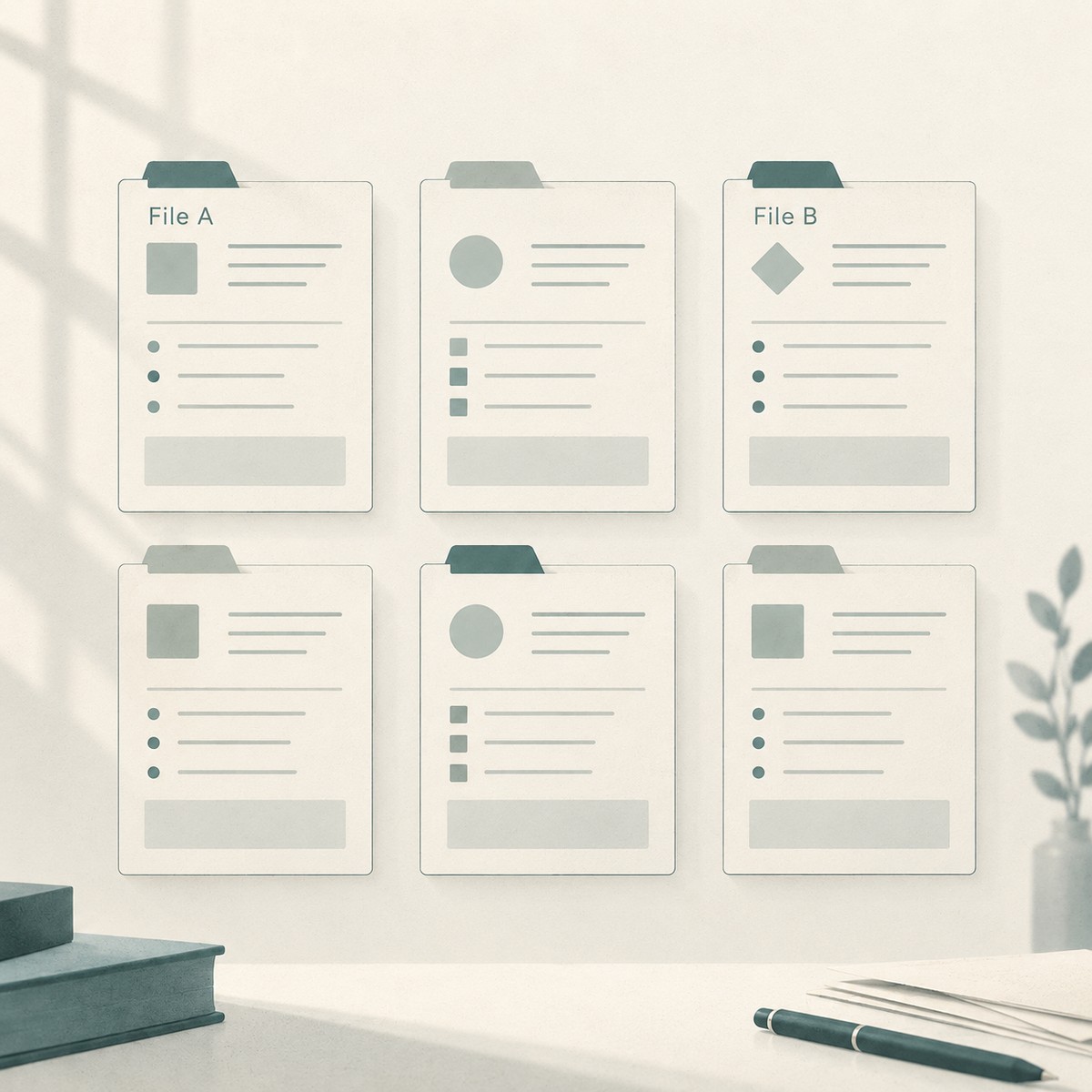
You read each public record the way the hub publishes it. Fields the public record keeps include source id, party type, primary name, capped aliases, program or list labels, measure labels, countries the file states, and dates the file states; vessels or aircraft may keep an IMO number when the file provides one. Fields not published include date of birth, document numbers, street addresses, phones and emails. On the Canadian list, the country field means the sanctions regime stated in that file—not nationality.
You therefore never treat a shared spelling across two issuers as one global person. Each hit stays under its own source id and file. A similar name on another authority’s list is a separate lead until you verify identity, ownership and control against the official texts that matter for your case.
After a hit—and after a miss
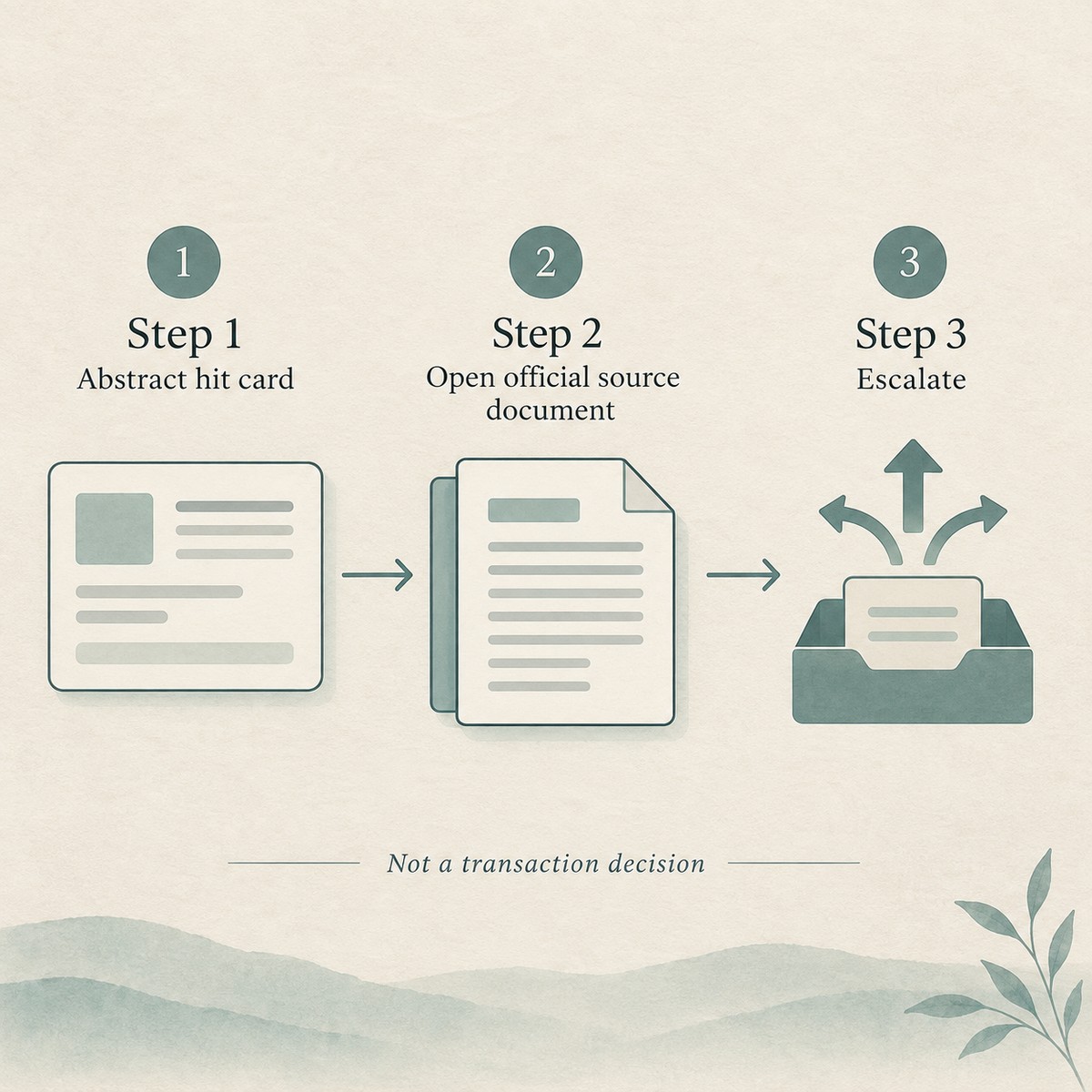
You should treat a sanctions hit as a lead into the named official file, not as this site’s finding that a transaction must stop. You open the official source file the card names, compare primary name and aliases, program or list labels, measure labels and any dates the file states with your counterparty facts, then look for later notices, amendments, delistings or licence language that may apply on your transaction date. Ownership, control, intermediaries, carriers, banks and end users can still matter after you confirm the string match.
You likewise remember what a miss does not prove. No match does not rule out another list, an ownership rule, a sector measure or a licence. Queries miss for naming, aliases, transliteration, truncated strings and measures outside these fourteen files. China’s export-control lists stay in the entity-list database; to search both at once you use counterparty screening. You check the official text, and you ask a licensed attorney when the matter needs legal advice.
When you need watch-list versus control-list legal-effect literacy for one China export transaction—not this foreign-file mirror—keep Watch lists vs control lists: how to check and act on one export transaction once and return here for sanctions-hub method.
Boundaries and a practical checklist
You keep humility beside every screen. The live boundary footer states that the site provides general compliance information, not legal advice. Coverage stamps, file dates and record counts on the live sanctions page can change; do not treat a past screenshot as today’s clearance story. Keep Editorial and regulatory verification policy nearby when you need Zhengdao’s sourcing and “not legal advice” boundary in one place.
Before anyone treats a hit as a transaction decision, you can work these steps:
- Confirm the exact legal name and known aliases you searched.
- Note which issuer and which named official file produced the hit.
- Open the downloadable official file (or the issuer’s current publication) for the date that matters.
- Compare program or list labels, measure labels and dates the file states with your counterparty facts.
- Check ownership, control, intermediaries and end use when the case needs that depth.
- Look for later notices, amendments, delistings or licence language.
- Escalate to a licensed attorney when the workbench cannot answer your shipment question.