When you open Zhengdao’s China export-control entity lists tool, you are using a searchable index of public Chinese government notices about named parties—not finishing a real-time transaction screen. You paste a name, website, domain or email domain, then you still open the governing notice and check status for your date. Your hit is a lead to verify; your miss does not prove the party is clear. This page is orientation only, not legal advice.
What the lists tool indexes
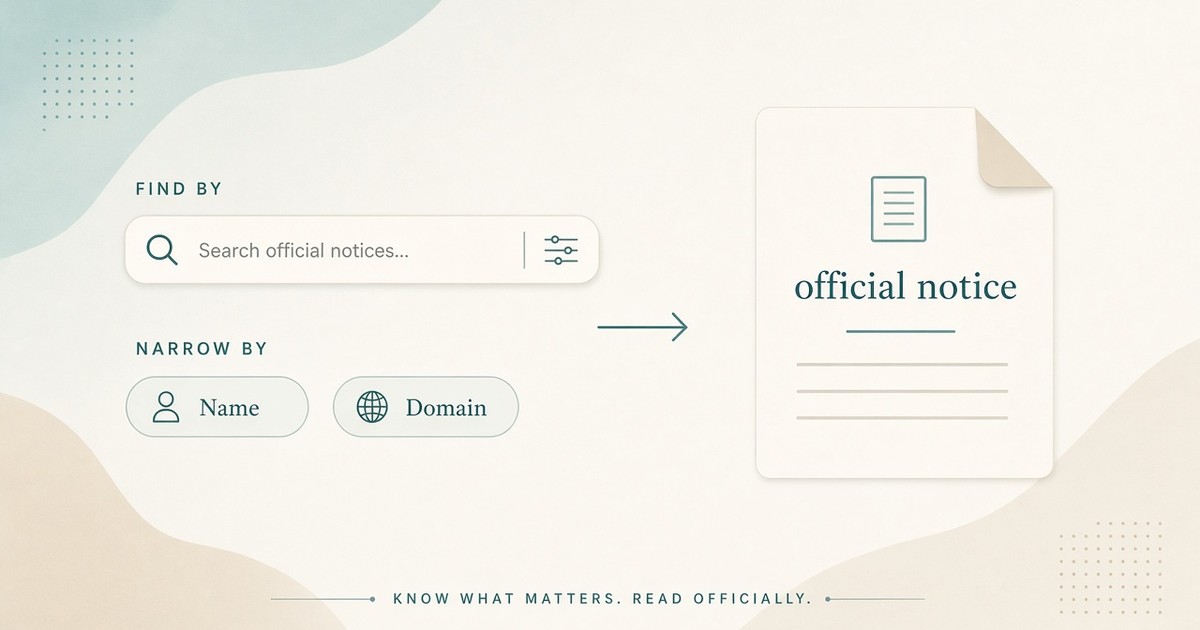
You use the lists hub to search parties Zhengdao has organised from public Chinese government notices—not to invent a private blacklist. The live page filters by list type across an Export Control List, a Watch List, an Unreliable Entity List, and a Countermeasure List, and it can narrow by entity type (companies and institutions versus people) and by country or region when those filters help you locate the right row. You should treat the hub’s disclosed counts as a snapshot of what the page currently indexes, not as a claim that every China-related restriction worldwide is present.
On the live lists page, Zhengdao discloses 426 publicly listed entities, 273 companies and institutions, and 540 sourced actions and changes, with the full dataset verified through 2026-08-22 and data updated 2026-09-01 21:17:16 (UTC+8) at draft time. Filter chips on the same page also show per-list counts that move when the page is updated; you re-check the live hub instead of memorising a draft-day figure as permanent coverage. Your job is location and humility: find the row, separate evidence from identity leads, open the official notice, then escalate when your transaction needs a judgment these tools cannot give.
How you should search (name, website, domain, email)
You search with the facts you already trust: a company, institution or person name (including aliases when you have them), a website, a domain, or an email address. When you paste an email address, Zhengdao’s lists page states that only the part after @ is matched locally and that the mailbox name is not saved. You prefer the official Chinese name when you have it, because listing instruments are published in Chinese and English marketing names can miss.
You then apply list-type, entity-type or country filters when you already know which lane your question sits in. You still treat every filtered hit as incomplete until you read the official listing instrument, status language and any removal or amendment notice effective on your transaction date. Marketing aliases alone are not enough description for a defensible screen when the authoritative Chinese name is available.
Keep public-list evidence separate from digital identity
You read each result card the way the hub is designed: public-list evidence stays separate from the organisation’s digital-identity leads such as websites or email-domain candidates. A technical domain candidate or website lead is a navigation hint—not proof that the listed party and the digital property are the same legal person. You compare names, aliases, official Chinese names, countries and notice references before you treat identity and listing as joined.
You also keep global sanctions mirrors and product catalogues in different lanes. Party screening on Chinese public notices belongs here; product or technology measures belong in the import–export control catalog; OFAC/UK/EU-style mirrors sit on Zhengdao’s sanctions surface when that is your question. Mixing those trails into one screenshot is how teams over-read a card.
What a hit proves—and what you must still verify
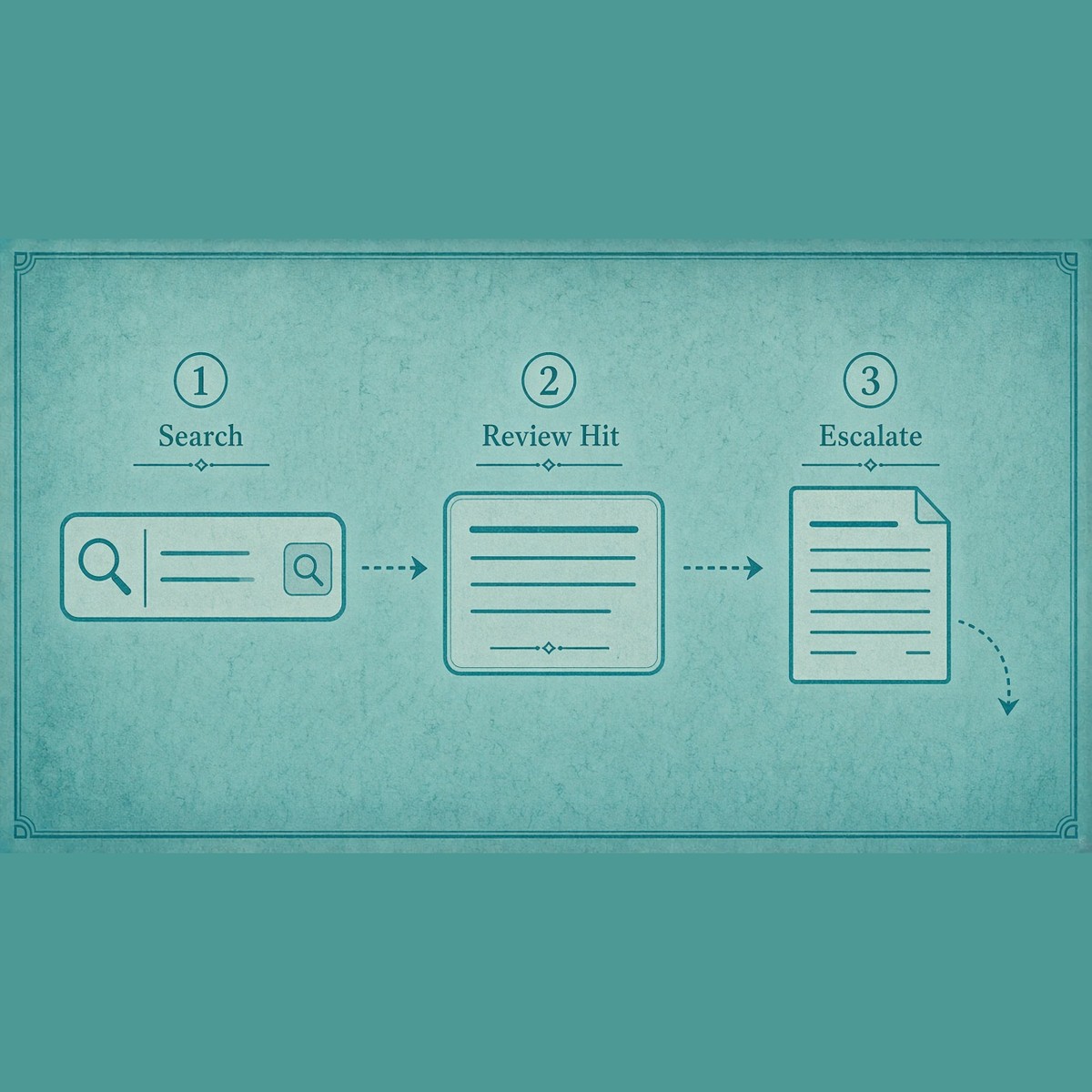
You should treat a lists hit as a lead, not a finished “blocked / licensed / prohibited” answer for your exact shipment. The live hub’s own boundary states that this is an index of public Chinese government notices, not a real-time transaction-screening decision. You open the linked or referenced official notice, compare the complete party name and aliases, list type, status (for example in force) and any later amendment or removal language with your counterparty facts, then record what remains open.
You likewise remember that a party may be subject to other restrictions, sanctions or licensing requirements outside the notices Zhengdao currently indexes. Your card is a starting point for verification and escalation—not a substitute for the latest official documents or qualified advice on a specific transaction.
What “no match” does not prove
You must not read an empty result set as “no compliance risk,” “clear to ship,” or “not listed anywhere.” The live lists page states plainly that no match does not mean no compliance risk. Queries miss because of naming, aliases, language, truncated domains, entity-type filters that hide people or companies, or because the party is covered by measures outside this curated Chinese public-notice index.
You likewise remember that destination, end use, end user, temporary measures and other authorities can still matter after a miss. Your empty screen is incomplete without official-text review, a second pass on Chinese names when you have them, and escalation when facts remain thin.
Lists vs watch-vs literacy vs catalog (pick the right tool)
You use the lists tool when your question is “does this named party appear in Zhengdao’s indexed Chinese public notices, and which official text should I open next?” You use watch vs control lists literacy when you need the legal-effect difference between watch-list and control-list treatment for one export transaction—and you already have Watch lists vs control lists: how to check and act on one export transaction for that path. You use the import–export control catalog when your question is about a product or technology measure rather than a party name—then you open Does your product or technology appear in a China import/export-control catalogue? and still treat every hit as a lead.
If you still need the company baseline—what dual-use means and why lists change—read Dual-Use Export Controls in China: the Baseline Every Company Needs once, then return here for screening method. Keep Editorial and regulatory verification policy open when you need Zhengdao’s sourcing and “not legal advice” boundary in one place.
Search the lists—then verify the official notice
When you are ready to paste a name, website, domain or email domain—and to treat every result as a lead—open Paste a name or email domain. Find the party behind it. and keep hit/miss humility beside you. You are using Zhengdao’s entity lists as an index of public notices, not a ruling engine. Orient, verify the official text, then escalate when your case needs a judgment these pages cannot give.