When you open China’s dual-use regulations map on Zhengdao, you are looking for orientation—not a ruling for one shipment. The map connects laws, regulations and selected measures so you can see authority, implementation, repeal and suspension relationships at a glance. Your next job is still to find the governing text and verify it against an official source before you act. This guide shows how to read the map without treating it as legal advice.
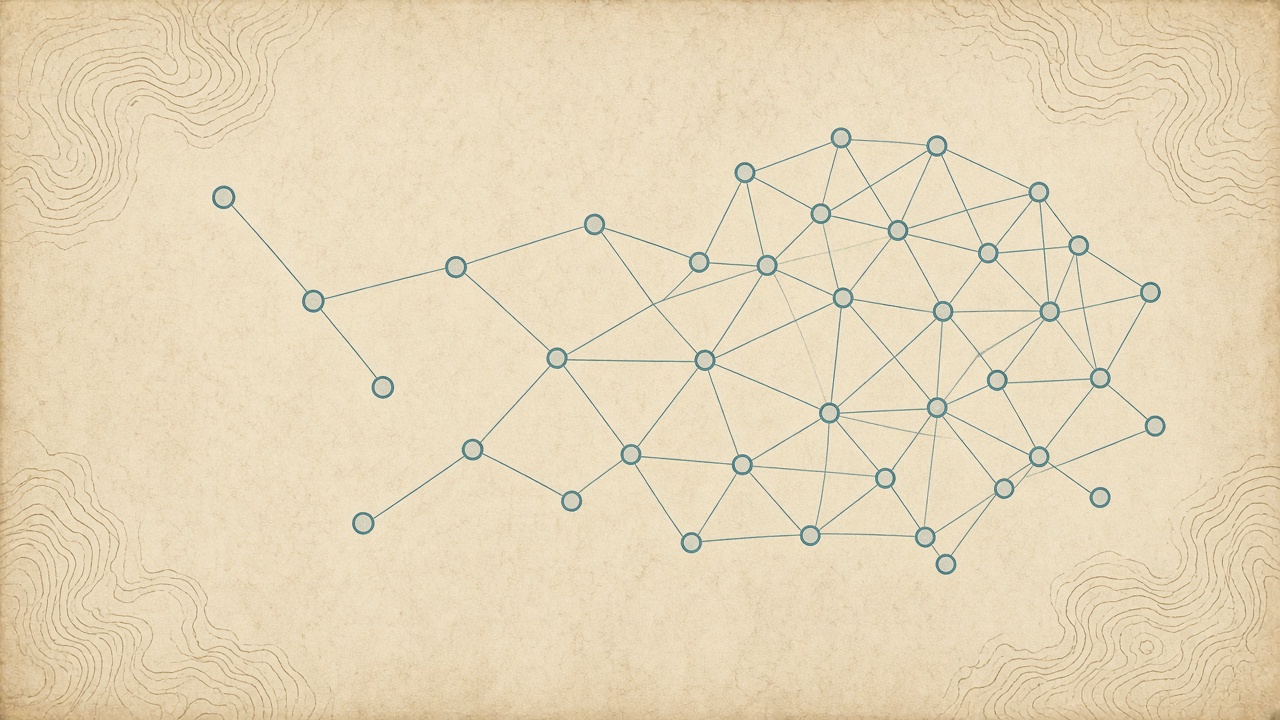
Start on the map: nodes, lines, and what they are not
You begin on the interactive regulations map, not on a random announcement screenshot. Each node is a legal instrument the site has placed in the export-control landscape; each line shows why one instrument matters to another—authority or legal basis, implementation, suspension, or related effect—rather than sorting only by publication date. Your eye should follow those relationships so you understand which text still governs the question you are asking.
You should also keep three on-site surfaces distinct in your workflow. The map shows relationships among instruments. The regulation library lists instruments with status and primary-source pointers. Articles and primers explain method; they are not the governing text for your case. If you need product-level catalogue lookup later, that is a different tool from reading the map’s legal graph.
When you want a browsable list instead of a graph, open China Export-Control Regulation Library and use filters or search after you already know which cluster of instruments matters. Your map reading should answer “how do these texts relate?” before the library answers “where is this title filed?”
From a map node to the governing text
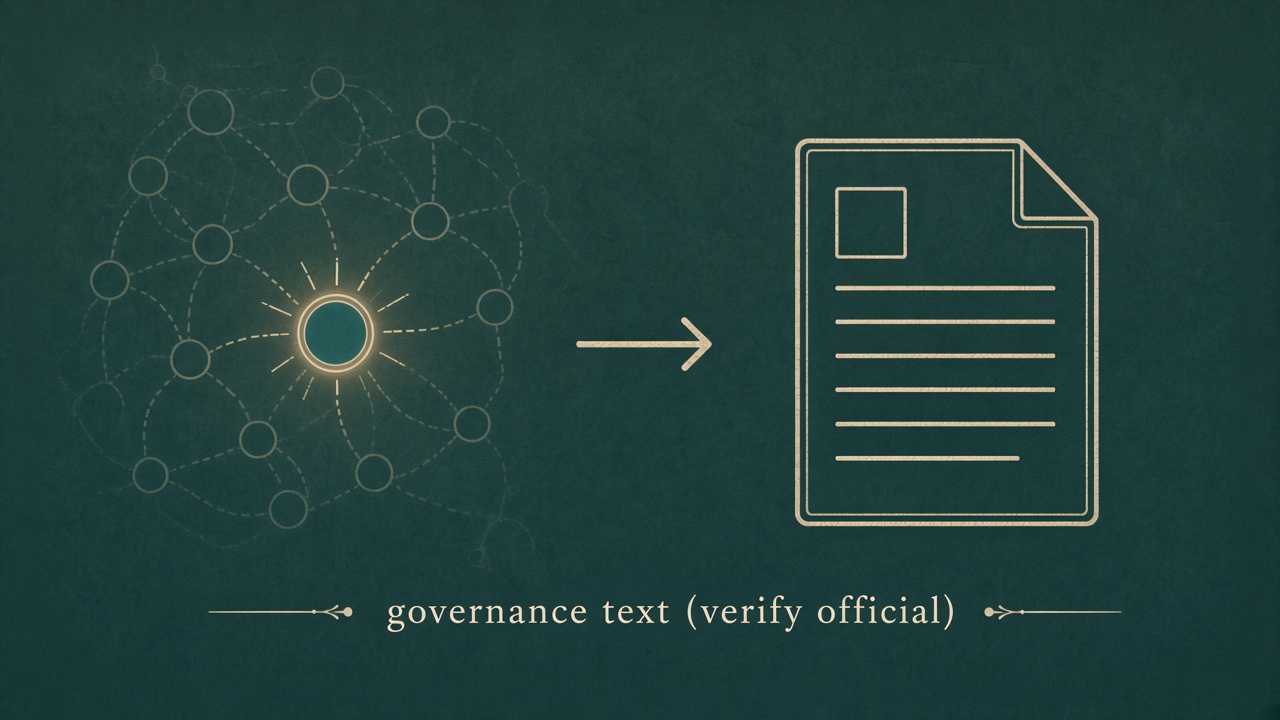
You move from orientation to text in a short, repeatable path. First, pick an anchor that matches your question—often a foundational law or the dual-use control topic you are assessing—then follow the relationship lines outward to implementing measures or later adjustments. Second, open the on-site instrument page linked from that node so you can read the site-local summary, status notes, and source pointers the page provides. Third, verify the complete official text through the primary-source path the page cites, or through an official legal database lookup when the site tells you crawlers are restricted.
You treat the on-site page as a verified index and reading aid, not as a substitute for the official gazette text when you must decide a licence, shipment, or filing. If a line on the map marks suspension or repeal of an earlier measure, you read that relationship before you cite the older instrument. Your record should note which node you started from, which instrument page you opened, and which official source you checked—and when.
If your question is whether a product or technology appears in a control catalogue rather than which statute authorises a measure, use Does your product or technology appear in a China import/export-control catalogue? as a separate step after you understand the governing framework. You do not invent control codes from memory while staring at the map alone.
What the map does not replace
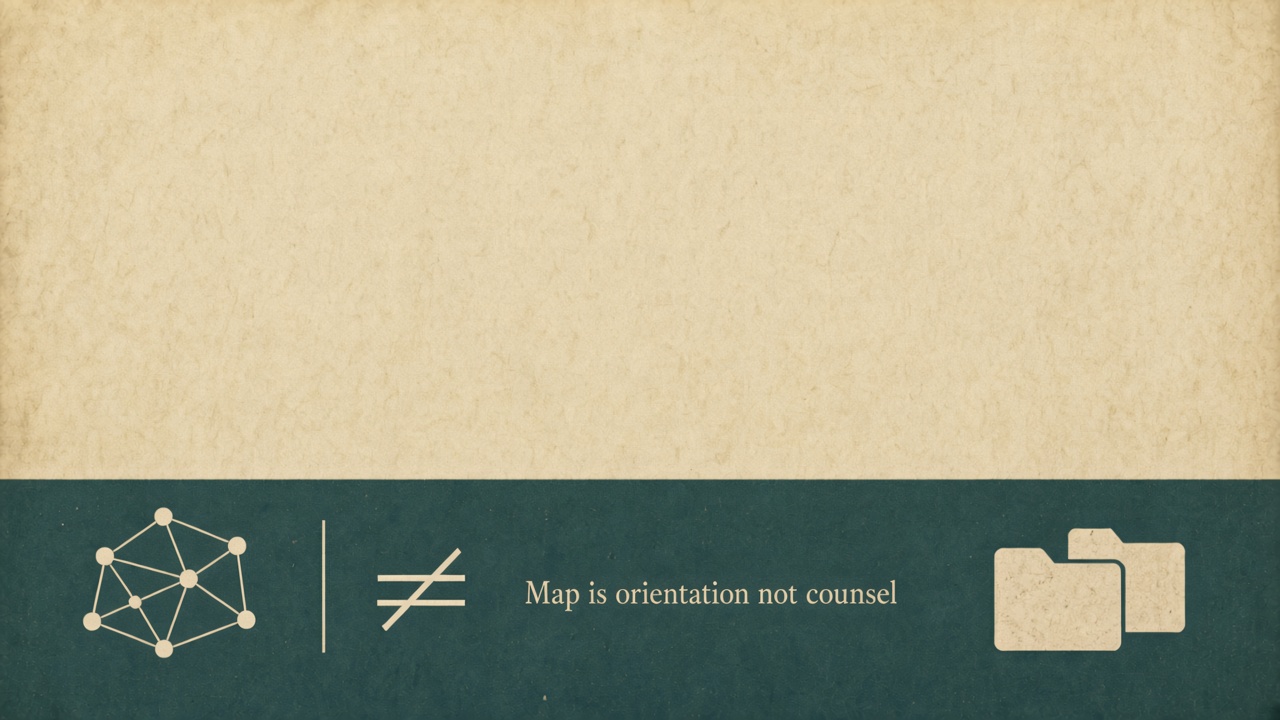
You must not treat the dual-use regulations map as counsel, a licence decision, or a complete archive of every China trade measure. The live map presents a curated set of instruments and reviewed relationships; it does not claim to be every rule that could affect your transaction. Your company still needs its own classification, counterparty and end-use review, and—when the stakes require it—qualified legal advice.
You also do not use the map to invent statute numbers, penalty amounts, or “current status” claims that are not on the instrument page you are reading. If the page marks last-verification or source links, you follow those; if something is unclear, you escalate rather than guess. Incomplete truth beats a confident false citation.
Open the map and find the governing text
When you are ready to practise the path—from anchor node to relationship line to instrument page to official verification—open Trace the Rule. Understand the Effect. and keep this method beside you. You are learning how to find governing text inside China’s dual-use regulations map, not asking the graphic to decide your shipment. Orient first, verify next, then escalate when your case needs a judgment the map cannot give.